
Our Wedding Celebrations!
Ganesha Pooja
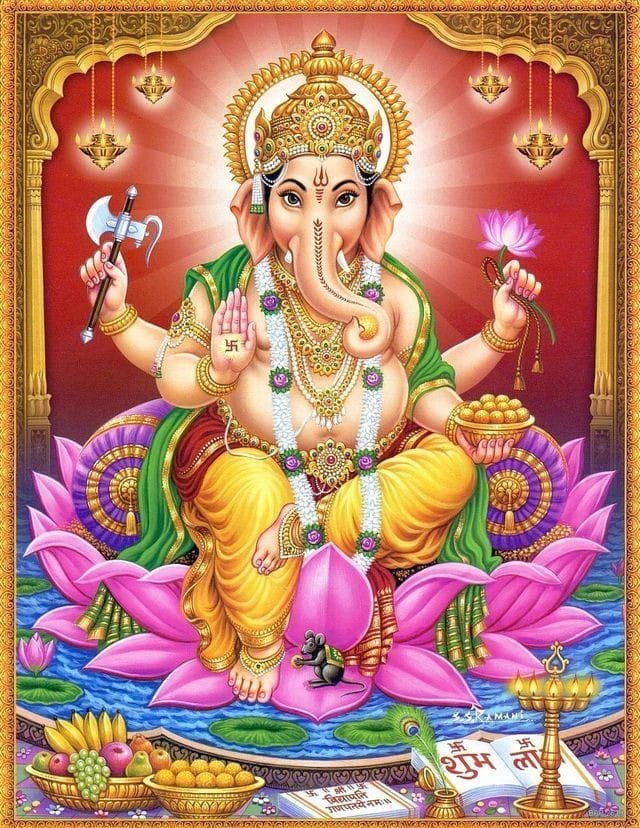
Vakra-Tunndda Maha-Kaaya Suurya-Kotti Samaprabha |
Nirvighnam Kuru Me Deva Sarva-Kaaryessu Sarvadaa ||
Meaning:
1: Salutations to Sri Ganesha who has a curved trunk, who has a large body and whose splendour is similar to million suns;
2: O Deva, please make my undertakings free of obstacles, by extending your blessings in all my works, always.
Lord Ganesh is regarded as the God that removes all kinds of Badhas or obstacles for the same reason, he is also known as Vighna Vinashak. Therefore, before any wedding ceremonies can start, the family worships Lord Ganesh, praying for a smooth and obstacle-free wedding. It is believed that worshipping Lord Ganesh before marriage brings prosperity to a couple’s life. Offering prayer leads to a good and happy life that’s full of wisdom and positivity.
Nalunggu / Pithi
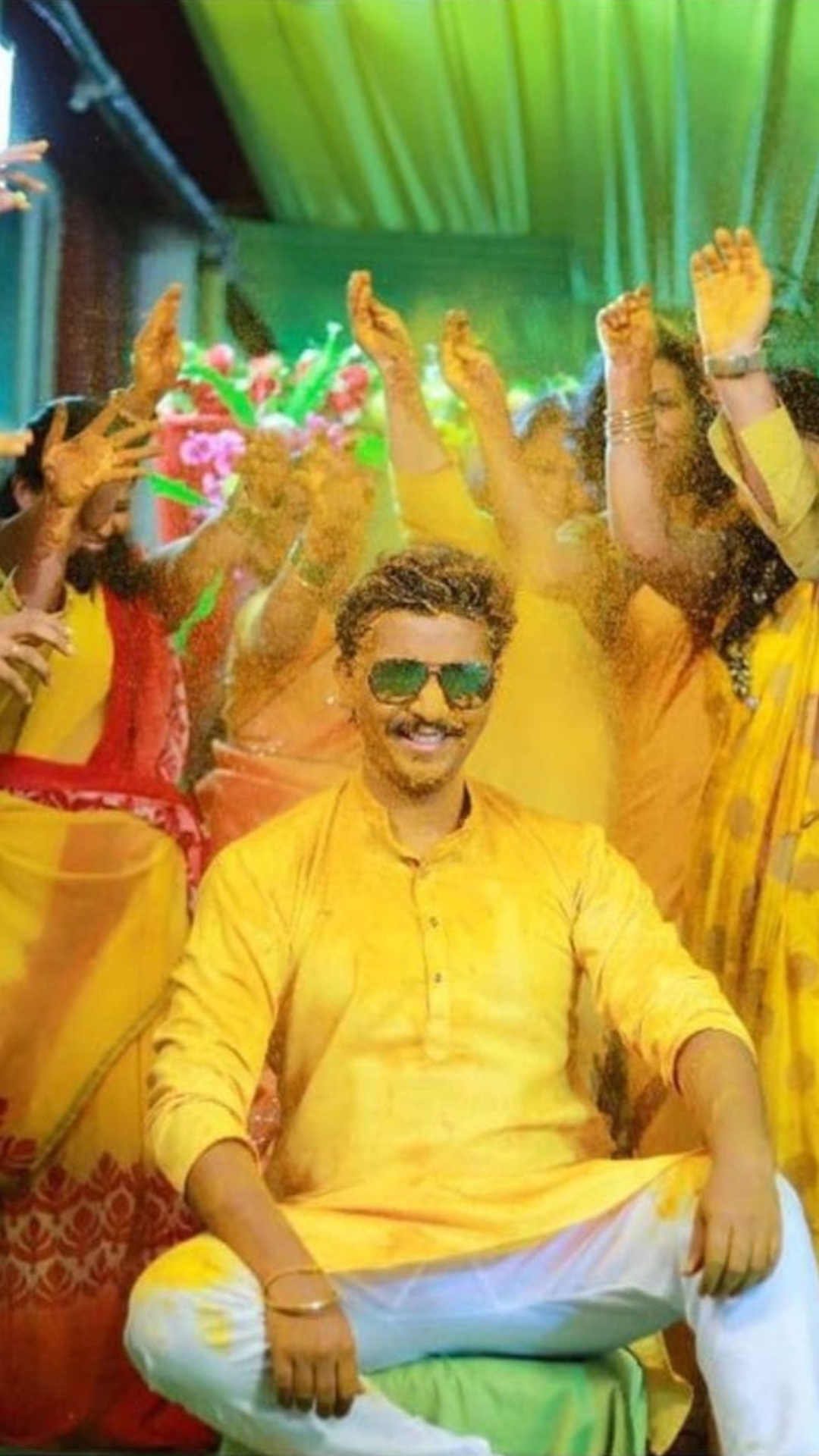
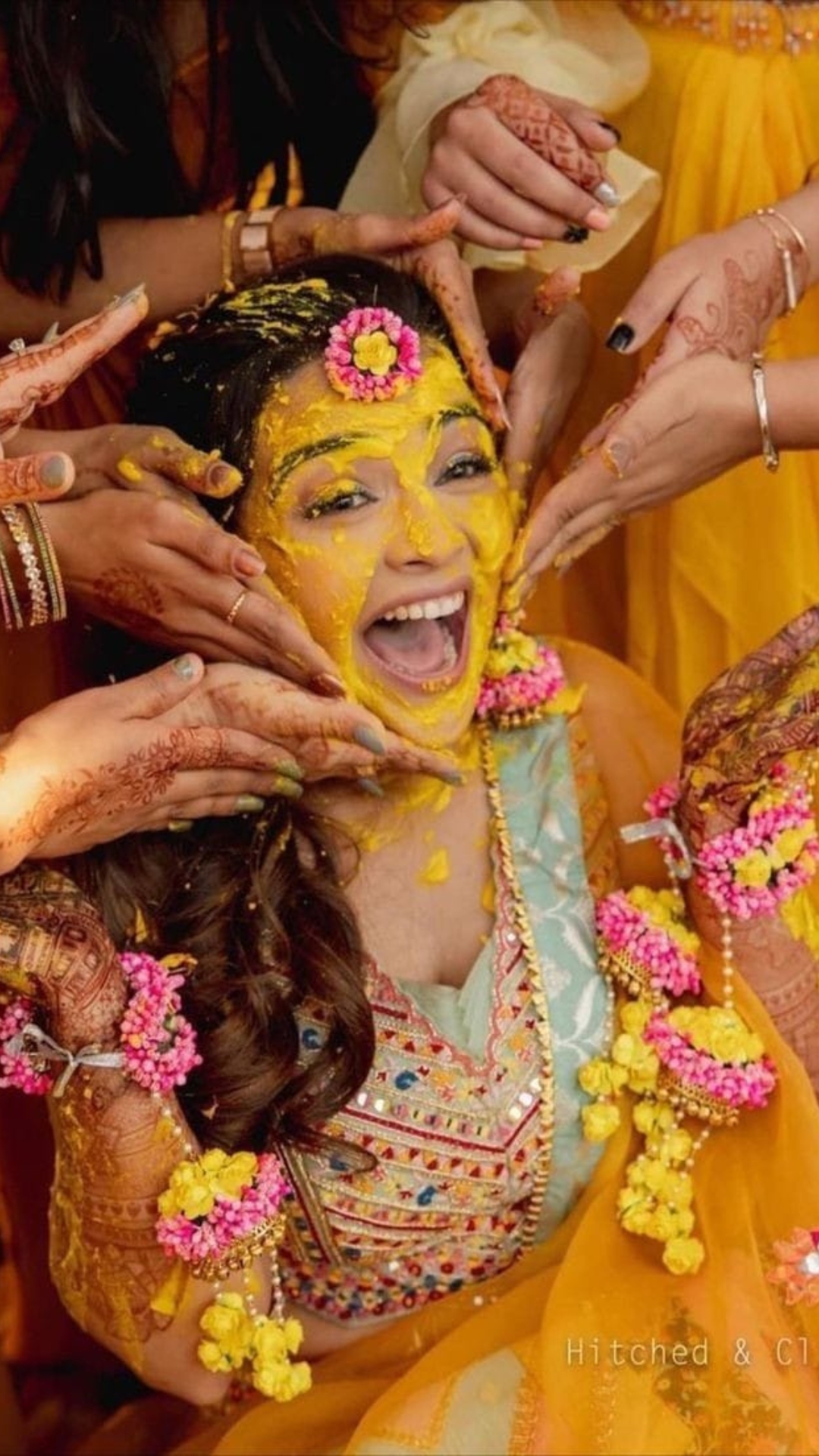
The Nalunggu / Pithi ceremony symbolizes the cleansing and purification of the bride and groom before the wedding. It’s a ritual specifically for good luck and well-wishes. This entails the use of turmeric paste that brightens the skin colour of the couple and prevents them from getting any ailments. Traditionally, this ceremony takes place at the bride and groom’s family homes, separately. This ceremony happens on a weekday the week of the wedding. Usually Wednesday or Thursday.
The turmeric paste is made from a variety of elements, mainly turmeric, chickpea flour and rose water. During the ceremony, the bride and groom typically wear white clothing (that they don’t mind getting ruined). Family members and friends of the bride and groom take turns coming up and applying the turmeric paste liberally on the bride and groom’s skin and/or clothing. There is a belief that if the bride or groom rubs this turmeric paste on someone who is mature and unmarried, then it increases the possibility of getting married.
So, what can I expect to be doing? Expect to get your hands a little dirty with the turmeric paste as you smear a little spoonful on your favourite almost-newlywed bride/groom!
But, what if I don’t want to? Is that offensive? Not at all! Do what makes you comfortable. Being there is a gift.
What should I wear to the Nalunggu / Pithi Ceremony? The function will be held at the bride/groom’s home; therefore, you will want to wear upscale casual clothes. For women, an Indian cultural attire or a casual, modest sundress. For men, a pair of jeans or chinos and a short-sleeved button-down shirt or golf shirt are appropriate. Be mindful of not wearing anything super loose or with long sleeves as they may get stained during the event.
Mendhi
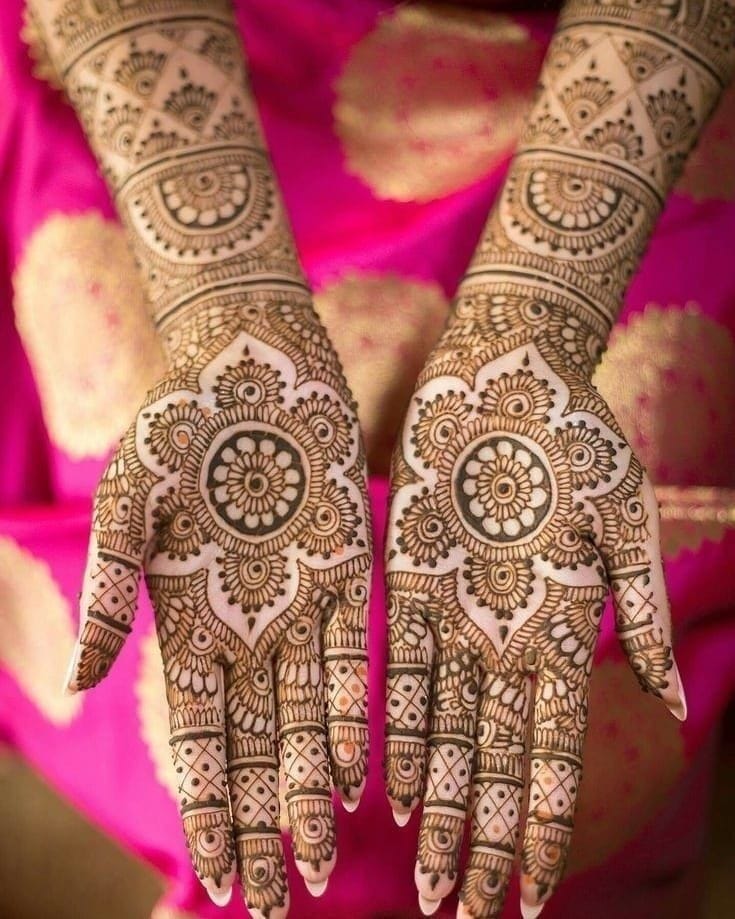
The Mehndi Ceremony typically takes place at the bride’s family home and all the women on the bride’s side of the family are invited to attend. Mehndi is a paste associated with positive spirits and good luck. These ceremonies take place to wish the bride good health and prosperity on her journey towards marriage. It is typically held on Thursday or Friday.
During this ritual, a trained mehndi artist or talented family friend applies henna in beautiful, detailed designs on the hands of the women. For the bride, typically the artist decorates her hands and feet. Drinks and snacks or dinner are served as the women mingle and take turns receiving henna.
So, what can I expect to be doing? Expect to get henna on either the outside skin of your hand or the palm of your hand.
But, what if I don’t want to? Is that offensive? Same answer as before! Not at all! Always do what makes you comfortable. Being there is what’s most important.
What should I wear to the Mendhi? This event is mainly for women, so we recommend all ladies in attendance wear short-sleeved upscale-casual attire such as a casual dress, jeans and a t-shirt or kurti top. You don’t want to wear anything too expensive, for the risk of stains from the henna. We recommend short sleeves, so there isn’t a chance of your henna getting ruined while it sets.
Sataak
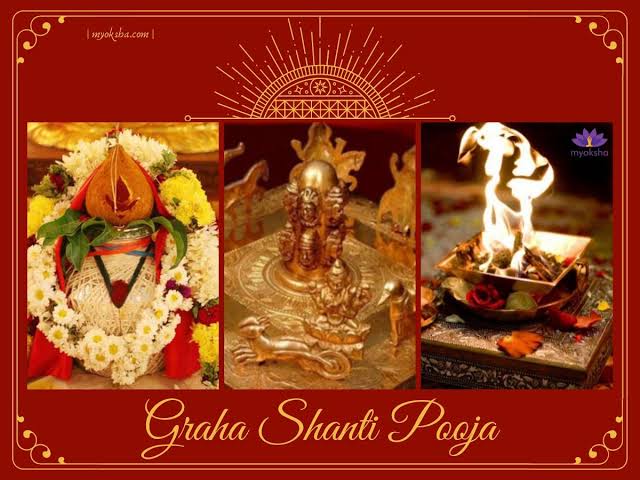
Sataak is also known as Graha Shanti, is performed to remove all the obstacles and bring happiness and prosperity into the lives of the couple. As it is believed that the stars and the planets have a great influence on our lives, this pooja is performed to ensure that the Navagrah or 9 planets are aligned for both the bride and the groom in order to live a happy life together. As the name suggests, Graha means the house and Shanti means peace, thus it means the peace of the house.
What should I wear to the Sataak? The dress code is the same at the wedding ceremony! If you have two outfits you are deciding between, wear your second favourite on this day and your favourite choice on the Wedding Day.
Wedding Day!
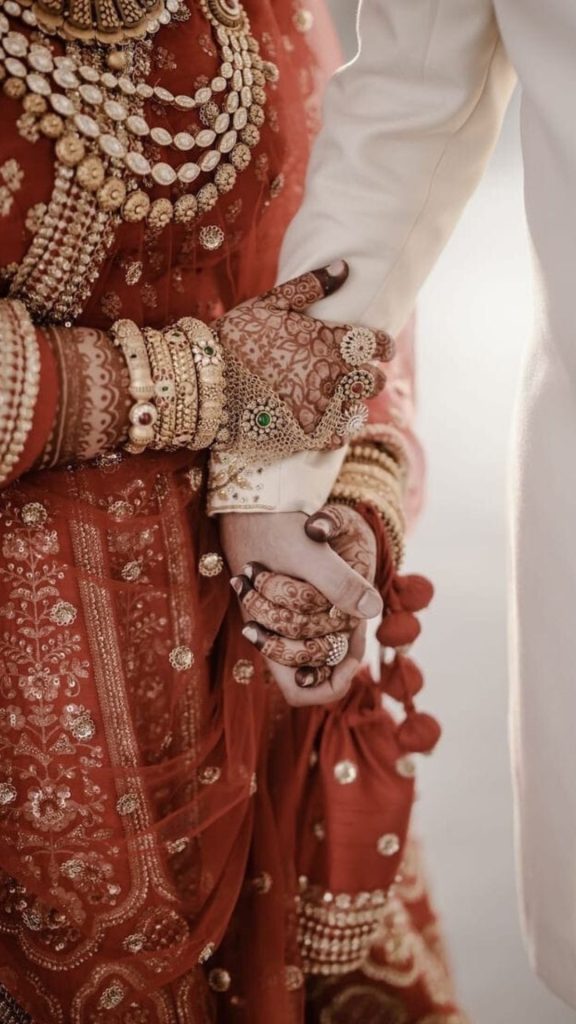
The day is finally here when the couple ties the knot! The wedding ceremony consists of many wedding rituals that unite both the bride and groom and their families.
As mentioned, there are many variations to the rituals that the couple choose to have in their ceremony, due to religious, cultural and/or geographical differences.
What should I wear to the Wedding?
For the ladies, we recommend wearing a colourful outfit! Or using this opportunity to really embrace Indian culture and wear a traditional saree or lehenga. If you choose to wear one of the above, don’t hold back on the jewellery! A great gold earring and gold necklace combo are the perfect accessories to complement these outfits. If you wear a dress or other outfit, take care to make sure it is modest or not overly revealing.
As far as colours go, white in some Northern cultures is considered a mourning colour, so is best avoided. Most other colours are acceptable; however, we do not recommend wearing a single solid colour outfit of black or red. Black is considered very inauspicious in India. Red is the colour the bridal couple usually wears. Vibrant blue, mint green, orange and bright pink are great examples of colours to wear!
For the gentleman, we recommend wearing a traditional or formal suit and to remember that colours are your friend! If you want to embrace Indian culture, the outfits you would want to look for are sherwanis or kurtas. The same rules apply in wanting to avoid the colours black, white and red.